Commercial Waste Removal in Haringey
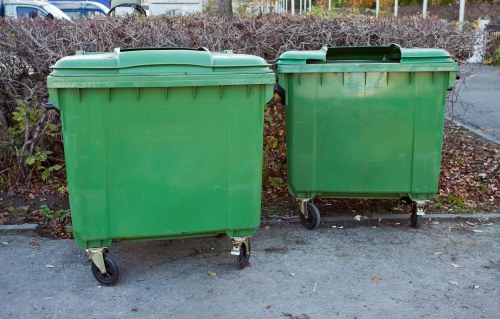
Commercial waste removal in Haringey supports shops, offices, workshops, hospitality venues and managed premises that need a reliable way to clear everyday rubbish and bulkier unwanted materials. We handle mixed commercial waste with a focus on orderly collection, sensible sorting and responsible onward handling, so premises can keep moving without piles of excess material taking over back-of-house space. The service is shaped around the practical needs of businesses that want clear removal rather than disruption.
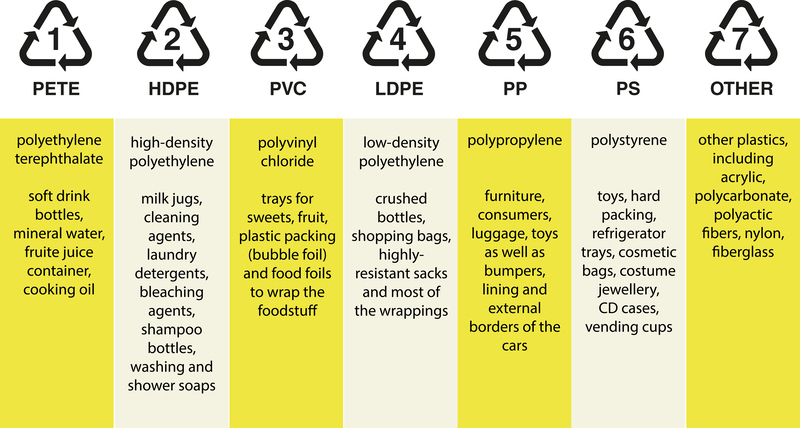
Typical loads can include packaging, office furniture, fixtures, shelving, broken equipment and general non-hazardous business waste. Where separate streams need separating, we can work with those distinctions in mind, particularly for items that can be reused, recycled or need specialist handling. If you are planning a clearance, it helps to group similar items together and note anything awkward to move, but the core aim is simple: remove waste from the premises in a way that is tidy, practical and easy to arrange.
For a straightforward commercial clearance, start by identifying what needs to go and how much space it occupies, then request a quotation that reflects the type of waste, access and volume involved. If you are comparing options, our service pages below explain the main clearance categories in more detail. You can also send a request now if you are ready to move ahead.
Business waste streams and regular clear-outs
Businesses rarely produce just one kind of waste, so a useful service has to cope with mixed loads without turning every collection into a complicated exercise. Office moves may involve desks, chairs, archive material and packaging, while retail or trade settings can generate cardboard, damaged display units and general refuse. Our business waste removal work is intended to manage those everyday loads in a measured way, helping premises clear surplus items without losing control of what is being taken away.
For customers wanting more detail on business-focused collections, the business waste removal page is the best place to start, while the broader waste removal service covers general collections where a mixed load needs attention. If you are pricing up a planned clearance, the pricing and quotes page is useful for understanding how quotations are approached. Tell us what has to go, and we can shape the work around the items rather than forcing you into a rigid format.
Commercial clear-outs are often easier when waste is set out by type before the collection day. That may mean keeping shredding separate from general rubbish, or isolating items that need extra handling because they are heavy, bulky or awkward to lift. A short, accurate list usually gives the most useful starting point, and it also helps when a business is trying to balance disposal against storage space, access and timing. If you need to compare a few related services, those pages can help you narrow the scope before making an enquiry.
Office, confidential and equipment clearance
Office clearance often requires more than simply loading items into a vehicle. A workplace may need old furniture removed, filing cleared, screens and peripherals separated, and unwanted fittings taken away without disturbing the rest of the building. Our office clearance service is suited to businesses that want a tidy route through those tasks, especially where the space must be returned in a presentable condition after the work is complete.
The office clearance page sets out that service in more detail, and it pairs well with confidential shredding where paperwork or records need secure disposal. For hardware and mixed fixtures, some customers also look at fridge and appliance removal when white goods or cooling equipment form part of the load. In commercial settings, planning the sequence matters as much as the physical removal, because the wrong order can make a clear-out more disruptive than it needs to be.
If you are arranging an office or premises clearance, it is usually helpful to mark anything that must stay in place, then separate clearly reusable pieces from disposal items. That reduces confusion on the day and makes it easier to work around desks, storage, reception areas and corridors. For businesses with a mixture of records, furniture and old equipment, the aim is to create a practical route through the work rather than treating every item as identical. A concise enquiry is often enough to begin shaping the quotation.
Furniture, fixtures and bulky item disposal
Commercial spaces often need bulky items removed in stages, especially when they are fitted into tight rooms or upper floors. Chairs, tables, shelving, reception pieces and storage units can all need careful handling before disposal, and the service has to account for how those objects leave the building as well as where they end up. Our furniture disposal and clearance options focus on practical removal of the items that no longer serve the workspace.
If your load is mainly furnishings, the furniture disposal page explains that category clearly, while furniture clearance is useful where you want a broader sweep of mixed pieces. For larger domestic-style fitted or stored items, home clearance and house clearance are separate services, but business customers often only need the furniture element. There is no need to overcomplicate the enquiry if the main challenge is a straightforward bulky-item removal.
When furniture is stacked, assembled or lodged in place, the key questions are access, lifting, and whether the item can be moved intact or needs to be broken down first. We can work with either approach where appropriate, but the decision should reflect the layout of the premises and the condition of the items. A clear list of what is staying and what is leaving will usually make the process smoother. If the job also includes office fixtures or light fittings, note that alongside the furniture so the scope can be priced properly.
Garages, stores and outbuildings
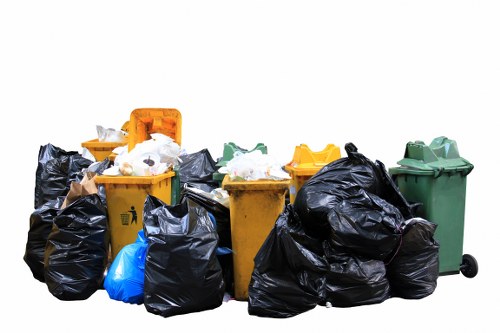
Some commercial properties build up waste in garages, storage rooms, basements and side structures rather than in the main workspace. These areas often contain a mixture of packaging, broken stock, redundant tools and random items that have been set aside over time. Our garage clearance service is designed for that sort of collection, where the aim is to clear a confined area efficiently without losing track of what should remain on site.
The garage clearance page is useful if that is the main space involved, and loft clearance can be relevant where access is via upper storage areas or attic-like rooms. Where the items are more garden-related, garden clearance may be more suitable. Not every premises needs a complete strip-out; sometimes a business only wants a targeted removal from a back store or annex, and that can be handled as its own scope.
These spaces can be awkward because items are often piled on top of each other, boxed up without labels or mixed with equipment that may still have value. A sensible approach is to identify the larger or heavier objects first, then treat the smaller material as the final layer. That helps with access and reduces the chance of moving items twice. If your store area contains a mixture of rubbish and reusable stock, make the difference clear so the collection can be organised accordingly.
Construction, refurbishment and trade waste
Businesses carrying out fit-outs, refurbishments or light building work often end up with waste that is too bulky for routine bins and too mixed for a simple sweep-up. Offcuts, broken boards, packaging, stripped-out fittings and damaged fixtures can all accumulate quickly. Our builders’ waste clearance service is intended for these project-related loads, helping premises and contractors clear the aftermath of work in a controlled way.
For project waste, the builders waste clearance page gives a more specific view of that service, while the broader waste removal page is helpful if you only need a general mixed-load collection. In some cases, the what can go in a skip information may also help businesses compare disposal choices before booking. We do not assume every job is the same; what matters is whether the material is suited to the clearance you need.
Refurbishment waste is often easiest to manage when hard materials are kept separate from lighter rubbish, and when anything potentially reusable is identified before collection begins. That reduces unnecessary handling and can make the whole process more orderly. If the job includes dismantled fittings, broken shelving or trade packaging, note those items in the quotation request so the estimate reflects the actual load rather than a rough guess. Accuracy at the start usually makes the rest of the process easier.
Special items, appliances and sensitive materials

Some commercial clearances involve items that need extra care because of their size, contents or disposal route. Refrigerators, freezers, display appliances and similar equipment may not fit comfortably into standard rubbish removal, while materials that could be classed as hazardous should never be treated casually. Our service can help businesses sort these categories into the right pathway, rather than leaving them mixed into one uncertain pile.
The relevant service pages include fridge and appliance removal for white goods and cooling equipment, and hazardous waste disposal for materials that need specialist attention. Where the items are mainly mattresses or soft furnishings, the mattress and sofa disposal page may be more appropriate. Using the right route for the right material matters, because it keeps the clearance sensible and avoids guessing.
When special items are included, it helps to note whether they are intact, damaged, stored indoors or set outside for collection. That is not about creating extra administration; it simply means the quotation can reflect the actual work involved. Businesses often find that a mixed load becomes much easier to deal with once the specialist pieces are identified separately. If you are unsure which category a particular item falls into, list it clearly in the enquiry and leave the sorting to the service discussion.
Recycling, sustainability and disposal decisions
Responsible commercial clearance is not only about getting rid of waste; it is also about making sensible choices about what can be reused, recycled or passed into the correct disposal stream. Business premises may generate a surprising amount of packaging, cardboard, metal shelving and redundant furniture that should not be treated as a single block of rubbish. Our approach supports those distinctions so the final handling of the load is more considered.
For customers who want to look more closely at how material is handled, the recycling and sustainability page explains the subject in a more focused way. If you are deciding between disposal options, it is worth thinking about the mix of material before choosing a service. Recycling-friendly sorting can make a practical difference when the load contains separate waste streams, and it can also help businesses keep better track of what is being removed from the premises.
Not every item needs an elaborate decision tree, but it does help to know whether furniture, metal, cardboard or electrical pieces are present. Those categories often influence how a clearance is planned and what kind of handling is needed. If your business is preparing for a move, a refit or a stock reduction, a short list of the main material types will usually be more useful than a vague description. That keeps the conversation focused on the actual waste rather than a generic enquiry.
About Haringey
Haringey is a London borough in the north of the city, stretching from the River Lea in the east to Highgate and Muswell Hill in the west. It brings together areas with very different characters, from the busy town centres of Wood Green and Tottenham to residential districts around Crouch End, Hornsey and Alexandra Park. The borough lies within a landscape shaped by transport corridors, parkland and long-established neighbourhoods, and its built environment ranges from Victorian and Edwardian streets to later civic and commercial development. Alexandra Palace is one of its best-known landmarks, standing on high ground with wide views across London and a long association with exhibitions, broadcasting and public recreation. The borough also includes large open spaces such as Finsbury Park, Bruce Castle Park and the broad green edges around the Lea Valley, which provide breathing room amid denser urban streets. Tottenham Hotspur Stadium has become a major contemporary landmark in the east of the borough, while older local centres retain their own shops, community buildings and places of worship. Rail and Underground links connect Haringey with central London and surrounding boroughs, and the area’s history reflects that connectivity, as residential growth, industry and public transport each helped shape different districts at different times. The result is a place of contrasts: elevated and low-lying, busy and quiet, historic and newly developed, but always closely tied to the wider life of London.
You can use the service pages below to choose the right type of clearance for your premises. If you already know what needs collecting, the next step is simply to make an enquiry with the details of the load. If not, the service pages can help you separate furniture, office waste, appliances and specialist items before you ask for a quotation.
For a direct quotation, use the pricing and quotes page or get in touch by the route you prefer.
Household-style clearances for mixed loads

Although this page focuses on commercial waste removal, some business premises also need more general clearance work where the load is mixed and not tied to one trade category. Emptying a flat above a shop, clearing a staff accommodation space or removing stored household-style items from a premises can all require a broader approach. In those cases, the clearance needs may fit a more general service rather than a narrowly defined business-only collection.
The most relevant pages for those situations are flat clearance, home clearance and house clearance, each of which handles a different type of space or load. Where the items are mainly bulky domestic furnishings, furniture clearance may also be suitable. The point is not to force a business setting into a domestic label, but to match the waste category to the actual contents being removed.
If your premises contain a mix of office items, domestic furniture and stored odds and ends, a clear inventory is usually the simplest way to begin. Separate what is obviously commercial from what is more general, then describe the space and the access. That small amount of preparation gives a much better starting point for a quotation than a vague request, and it helps the right service be chosen first time.
Booking, scope and quotation details
The quotation process works best when the scope is specific. Note the type of premises, the main items to be removed, any access issues and whether the clearance needs to happen in one visit or in stages. Businesses do not have to over-explain, but the more accurately the waste is described, the easier it is to shape a fair and practical price. This is especially true where heavy, awkward or specialist items are involved.
A short list is often enough: what is going, what is staying, and what needs special handling. If there are narrow stairs, loading restrictions, basement access or items stored away from the main entrance, include that information early. If you would like to compare the service categories first, the individual pages linked above will help you settle the scope before contacting us. For an initial step, a plain text enquiry is perfectly fine: send the details and ask for a quotation.
Ready to arrange commercial waste removal in Haringey? Use the service pages to narrow the job, then request your quotation when you are set to proceed.